Face Biometric Authentication
  Biometric Check with Voice Match
  Face Biometric 2FA/MFA
  SMS 2FA/MFA
  Call Center Authentication
  Voice Biometric 2FA/MFA
  Document verification
  Biometric KYC with Liveness Face Matching
  Biometric KYC with Liveness Face Matching and AML check
  Authenticalls Revenue Intelligence
  IdentySign

When age becomes the weakest control
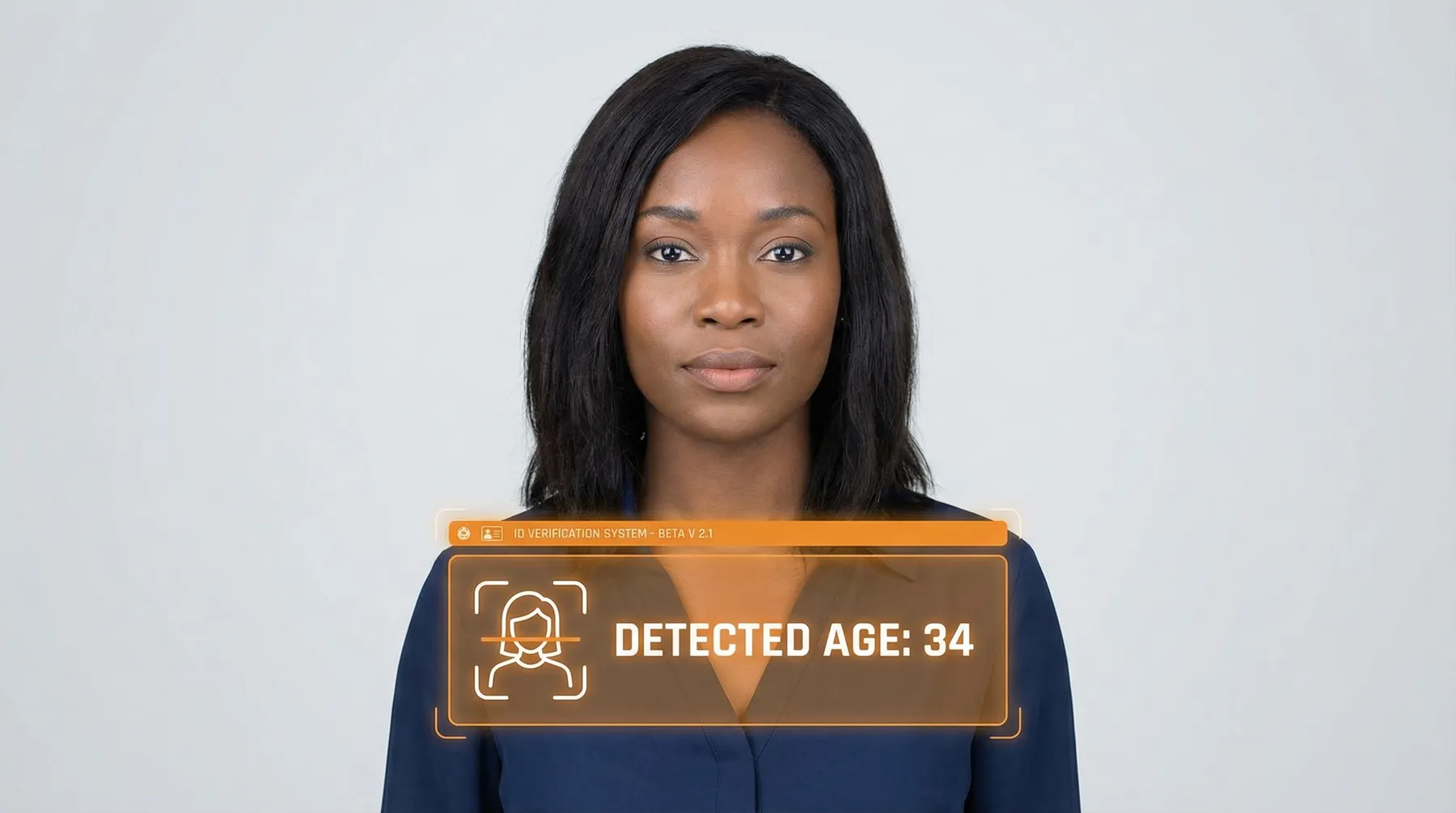
For a long time, age verification was treated as a formality. A checkbox, a date of birth field, a polite assumption that users would tell the truth. That assumption no longer holds. Across Europe, regulators are tightening controls on age-restricted products and content, while consumers move faster than ever between platforms, devices, and services. The gap between legal obligation and real-world behavior has become impossible to ignore.
The reality is simple. Age is easy to claim and difficult to prove at scale without introducing friction. Alcohol, tobacco, and 18+ products are now ordered through marketplaces, delivery apps, e-commerce platforms, and cross-border services that never physically meet the customer. In this environment, self-declared age is not a safeguard. It is an invitation.
This is not a marginal problem. European regulators increasingly view ineffective age controls as a systemic risk, particularly when it comes to minors accessing alcohol, nicotine products, gambling services, or adult content. Compliance frameworks such as GDPR, national consumer protection laws, and sector-specific regulations all converge on the same expectation: reasonable, effective, and proportionate age verification that actually works.
Yet many current implementations fail on two fronts. They are either too weak to be meaningful or too cumbersome to be usable.
Simple age gates offer speed but no verification. Complex document checks offer certainty but introduce friction that drives users away. For businesses operating in competitive digital markets, especially those selling regulated products, this tradeoff has real consequences. Lost conversions on one side, legal exposure on the other.
What is missing is not regulation, but infrastructure.
A sustainable age verification model for Europe must recognize how users actually behave. Consumers do not want to repeat the same verification process every time they order a bottle of wine, a pack of cigarettes, or access restricted content on a different platform. Businesses, in turn, do not want to store sensitive personal data or maintain fragmented compliance solutions for each channel.
The logical answer is an ecosystem approach. Age verification performed once, securely, and reused across multiple services, platforms, and merchants, without repeatedly exposing personal data.
This is where Authenticalls approach becomes relevant. Instead of treating age verification as an isolated step inside a single checkout flow, Authenticalls enables age assurance as a reusable trust layer. Through secure identity verification and voice-based confirmation, users can prove eligibility once and then authenticate themselves seamlessly across participating services.
For the end customer, the experience is straightforward. No repeated document uploads. No unnecessary friction. No need to remember which platform already verified their age and which did not. Identity and eligibility travel with the user, not the platform.
For businesses, this model reduces both risk and complexity. Verification happens through a compliant process aligned with European privacy expectations, minimizing data retention and exposure. Merchants receive a clear, auditable signal that age requirements have been met, without handling sensitive documents themselves.
Crucially, this model scales across channels. Whether a customer orders alcohol online, through a mobile app, or via a customer support call, the same verification layer applies. Age is not inferred, guessed, or re-entered. It is confirmed.
This matters because enforcement is no longer theoretical. Across the EU, authorities are increasing scrutiny on how age-restricted goods are sold online and delivered offline. Fines, license suspensions, and reputational damage are becoming more common, particularly where companies rely on outdated or symbolic controls.
At the same time, consumer expectations are shifting. Users are increasingly comfortable with verifying themselves once if it means smoother access later. What they resist is repetition, opacity, and unnecessary data collection.
A well-designed age verification ecosystem aligns these interests. It protects minors, supports compliant businesses, and respects user privacy without slowing commerce to a halt.
Age verification, done properly, is no longer a checkbox at checkout. It is part of digital trust infrastructure. And in a European market defined by regulation, cross-border services, and high consumer standards, that infrastructure must be secure, reusable, and invisible when it works.
The weakest control is not age itself. It is pretending that age can still be managed through trust alone.