Face Biometric Authentication
  Biometric Check with Voice Match
  Face Biometric 2FA/MFA
  SMS 2FA/MFA
  Call Center Authentication
  Voice Biometric 2FA/MFA
  Document verification
  Biometric KYC with Liveness Face Matching
  Biometric KYC with Liveness Face Matching and AML check
  Authenticalls Revenue Intelligence
  IdentySign
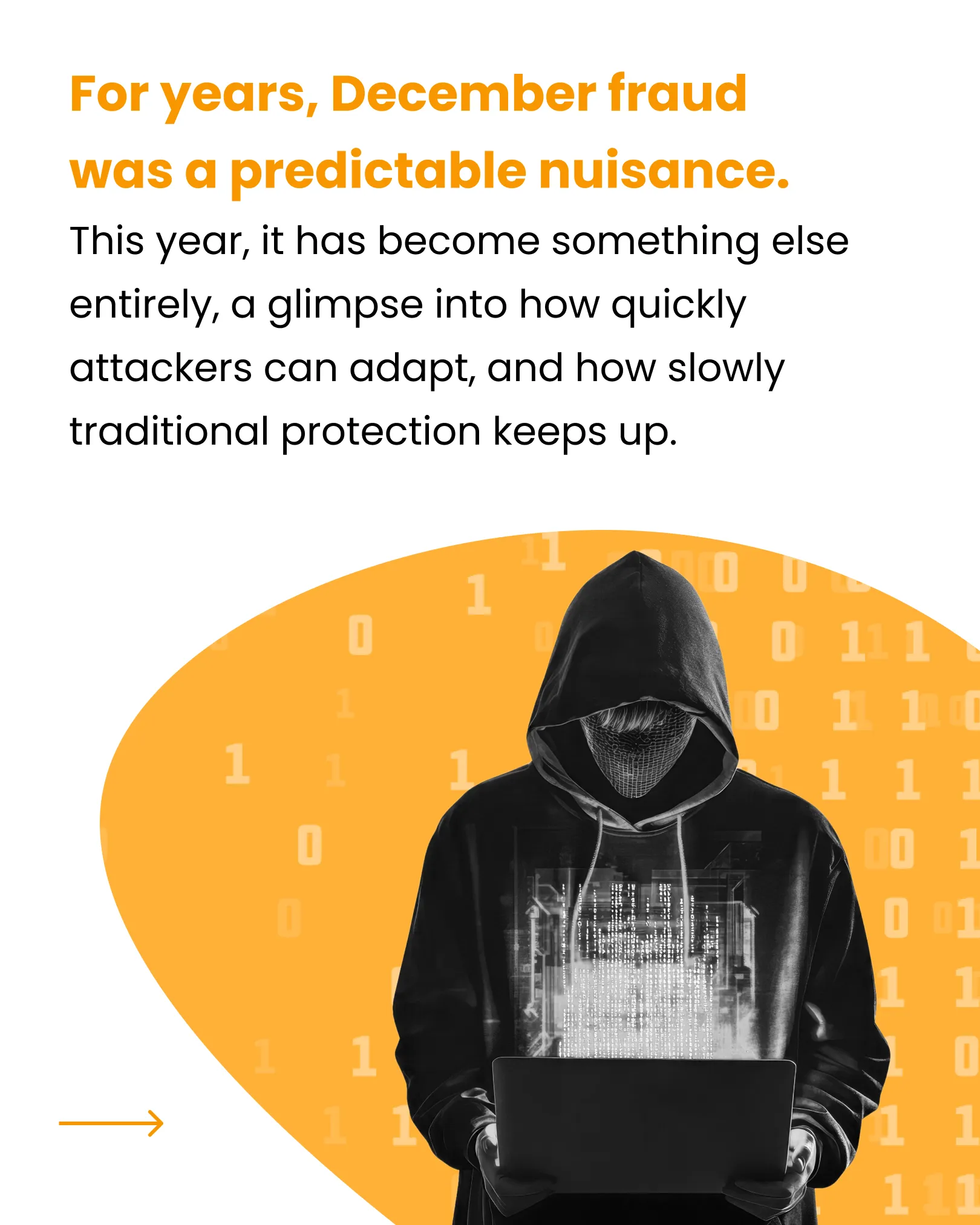

Every year, as digital communication becomes more deeply embedded in everyday life, another pattern continues to intensify: a steady and predictable rise in digital scams. This is no longer an occasional side effect of online activity spikes. In 2026, fraud has entered a new phase altogether, defined by the growing sophistication of attackers and the widening gap between their capabilities and the tools available to ordinary consumers.
Across the UK, South Africa, Ireland, and many other markets, regulators and telecom providers are sounding the same alarm. Scam attempts are not only increasing in volume; they are becoming harder to detect, more personalised, and increasingly powered by AI. An SMS that appears to come from a bank, a phone call that seems to originate from a legitimate delivery company, a voice message that sounds convincingly like a trusted representative: these are no longer exceptions. They are becoming the norm.
For most consumers, the problem is straightforward. The channels they once considered reliable have become vulnerable. Caller IDs can be spoofed. SMS threads can be hijacked. Customer-service numbers can be imitated. And once attackers gain access to these channels, they exploit a universal human instinct: the desire to resolve issues quickly and efficiently. Trust becomes the entry point.
Everyday digital interactions amplify exposure
In a world of constant transactions, notifications, and service updates, people are conditioned to expect contact from banks, retailers, utilities, insurers, and delivery services at any moment. Fraudsters understand this environment perfectly and design their operations to blend seamlessly into it. Traditional warning signs have largely disappeared. Misspellings are rare. Fake links closely resemble legitimate ones. AI systems generate fluent language, replicate corporate tone, and even clone human voices. A modern scam interaction can be almost indistinguishable from a genuine customer-support exchange.
This reality forces a shift in responsibility. Consumers are still advised to “stay vigilant,” but vigilance alone can no longer offset the technical advantage held by organised, AI-enabled fraud networks. The burden cannot remain on individuals who are structurally disadvantaged from the outset.
Why awareness alone is no longer enough
For years, organisations have relied on familiar defensive measures: reminders not to share passwords, assurances that sensitive information will never be requested, and periodic warnings about ongoing scams. While well-intentioned, these approaches are no longer sufficient. When attackers use voice cloning, spoofed caller IDs, and convincingly forged service portals, education without protection leaves customers exposed.
Trust can no longer be assumed. It must be deliberately engineered. The channels through which companies communicate with their customers must become verifiable, authenticated, and resilient to impersonation. Anything less creates risk not only for users, but for the brand itself.
This is not merely a security concern. It represents a strategic shift in how organisations relate to the people they serve. Increasingly, the quality of the customer relationship depends on a simple but critical question: can the customer be certain that the organisation is genuinely the one communicating with them?
A growing consensus: authentication belongs at the channel level
Regulatory and industry trends are converging around a clear conclusion: verification must be embedded directly into communication channels. The expectation that customers should personally assess whether a call, message, or email is legitimate is rapidly becoming obsolete.
This is where solutions focused on authenticated, verifiable caller identity begin to play a transformative role. Technologies such as Authenticalls address the core failure point of modern fraud: the inability of customers to confirm who is truly on the other end of a communication.
Rather than asking people to trust what they see or hear, these systems allow organisations to authenticate themselves in real time, at the moment of contact. This represents a shift from reactive fraud response to proactive trust infrastructure, from human guesswork to built-in verification. And the implications extend well beyond consumer protection.
Companies are increasingly recognising that unsecured communication channels are becoming business liabilities. When customers distrust incoming calls, legitimate outreach fails. Contact centres lose efficiency. Fraud losses increase. Regulatory scrutiny intensifies. Trust must be operationalised. Every interaction, whether a call, a verification step, a document check, or a signature, must be anchored in provable identity.
This is why channel-level authentication is no longer a technical enhancement; it is a strategic requirement. It safeguards customers, protects brand credibility, reduces fraud exposure, and ensures that organisations can continue to communicate with confidence.
For companies, adopting such systems is no longer a matter of convenience. It is a matter of relevance.
From single-point protection to full identity assurance
As impersonation becomes automated and scalable, basic verification mechanisms are no longer sufficient. Authenticalls evolves from a single protective layer into a comprehensive identity-assurance architecture, securing not just phone calls, but the entire customer interaction lifecycle.
Fraud now targets every stage: onboarding, authentication, support interactions, document exchange, and signatures. Authenticalls reinforces each of these points through a unif